Local SEO: The Hidden Reasons Why You’re Not Ranking in Local Search
If your business isn’t coming up in local searches, know that this is a problem that many small and medium businesses have. There are even businesses that have created a website, social media accounts, and maybe even have some reviews, that still do not get ranked. This is usually due to a poorly constructed Local SEO, or Local Search Engine Optimization.
Let’s take a deep dive and figure out what Local SEO is, and how to improve it.
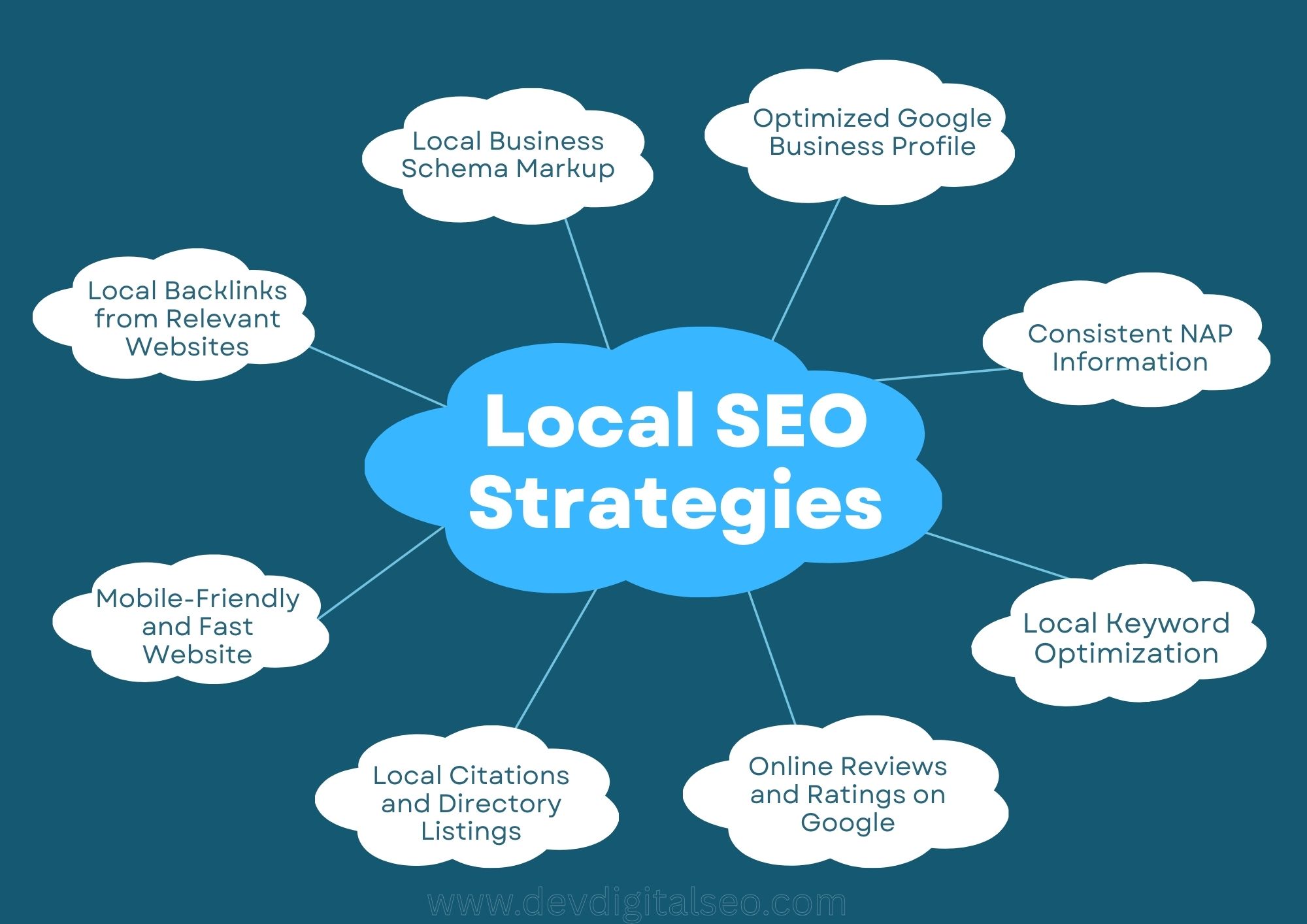
1. Your Google Business Profile Is Not Fully Optimized
Missing Google Business Profile optimization is a huge reason why businesses nationwide fail in Local SEO Google Business Profile. Owners create listings and just forget to do the following:
- Use relevant categories
- Optimize category selection
- Upload high-quality photos
- Optimize business hours information
- Add proper services and products
Google rewards businesses that have and offer the most complete and updated prof
You will gain higher trust/ranking and visibility that results in more calls.
2. Inconsistent NAP Information
NAP stands for Name, Address, and Phone Number. This is the most overlooked yet the most important thing to consider when doing your Local SEO. If your business information is different on social platforms, business directories, or your website, Google is going to get confused and not offer your business as a suggestion.
Here are some issues related to consistency and NAP that can hurt rankings:
- Your website shows one phone number
- Your Facebook page shows another
- A local directory lists an old address
These inconsistencies hurt ranking. Be consistent with NAP across the web.
3. You’re Targeting the Wrong Keywords
Local businesses are trying to position themselves for keywords like to digital marketing or to digital marketing instead of to digital marketing agency in Southampton.
In local SEO, you have to think about the geography. If your keywords are without the name of your city, you are attempting to compete on a federal level rather than a local one. You can identify search phrases that include your service + location.
4. Weak On-Page Optimization
A good website will help, and good on-page organization will help support your local SEO.
Ensure that your site has:
- Location-specific title tags
- Meta descriptions with city names
- Proper H1, H2 headings
- Local schema markup
- Embedded Google Map
Your service area and service descriptions should be on your homepage and service pages. Google must be clear about your location.
5. No Localized Content Strategy
If your site has been created with only generic service pages, you are missing a big opportunity. Local SEO is very powerful.
Create blog posts about:
- Local events
- Industry news in your city
- Case studies of local clients
- Area-specific service pages
This helps Google associate your business with your location and increases local authority.
6. Missing Customer Feedback or Poor Online Review Strategy
Local SEO reviews significantly impact search rankings due to Google’s frequency and quality review analysis.
If you have
- Very few reviews
- No recent reviews
- Negative reviews without responses
Your ranking may suffer.
Encourage satisfied customers to leave reviews and always respond professionally. Active review management builds trust and improves visibility.
7. Poor Mobile Experience
Local searches are intended to be user friendly. Low Local SEO standards will occur due to unfriendly user websites.
Usage problems that are common are as follows:
- Slow loading speed
- Hard-to-click buttons
- Unreadable text
- Broken layout
Use the Google PageSpeed program to resolve speed problems.
8.Weak Local Off-Page SEO Strategy
Most underlying ranking factors are referring to backlinks in Local SEO. However, Local backlinks are considered to be more valuable than broad range backlinks.
- Local news websites
- Business directories
- Chamber of commerce websites
- Local bloggers
Your scores will improve if you have higher quality backlinks instead of unfocused or low quality backlinks.
9. Poor Technical SEO Implementation
Local SEO efforts may be hindered by technical faults. Even with solid content, technical matters can obstruct indexing.
Look to see if there are:
- Broken links
- Duplicate content
- Crawl errors
- Missing SSL certificate
- Incorrect redirects
Conducting technical audits will keep your site user-friendly.
10. Not Tracking Performance Properly
Because you can’t record failures, there is no way to improve or remedy the problem. A majority of businesses end up failing to succeed in Local SEO is because they do not record data.
Keep track of:
- Keyword rankings
- Website traffic
- Google Business insights
- Click-through rates
- Calls and direction requests
Tracking helps to analyze if something is working well or not, so adjustments can be made.
11. High Competition in Your Area
In some instances, the issue is not mistakes, but rather competitors. If your rival(s) have more reviews, more authority, & superior optimization, your Local SEO ranking will be lower.
Analyze your competitors:
- What keywords do they utilize?
- How many reviews do they have?
- How optimized is their profile?
Utilize your competitors to gain a better analysis.
12. You’re Not Updating Your Profile Regularly
Google wants to see businesses that are active. If your profile has not been updated frequently, the posts are not updated, or the images are not updated, there will be a serious decline in your Local SEO performance.
You should post on your Google Business Profile:
- Offers
- Updates
- Events
- Announcements
Active interaction demonstrates reliability.
13. Website Structure
A confusing website structure makes it difficult for potential customers to navigate your website. For better Local SEO, your site structure should contain:
- Clear navigation
- Separate service pages
- Location pages (if serving multiple cities)
- Fast internal linking
The better your website structure, the better your website’s crawlability and your website’s conversion rate.
14. Ignoring Social Signals
Although social media is not a direct ranking factor, it does indirectly affect Local SEO and social media. Social media increases the visibility, engagement, and recognition of a brand. Social media access drives traffic to the brand recognition.
- Match your NAP details
- Include website links
- Stay active with posts
Social media presence only along with consistency increases the social media trust.
15. Expectation of Immediate Results
A big misconception is the expectation of immediate results. Local SEO is a long-term strategy. It requires a gradual improvement of rankings because of the increase of authority, trust, and engagement.
The key is Consistency:
- Keep optimizing
- Keep collecting reviews
- Keep building backlinks
- Keep publishing content
Your efforts will one day pay off.
Final Thoughts
Businesses frequently face budget constraints, making a well-planned strategy crucial. Local SEO requires patience, regular optimization, and consistent quality work. With time and the right approach, your online visibility strengthens. There’s no quick fix—only sustained, strategic action leads to better rankings, more store visits, and increased customer growth.
DevDigital SEO is a results-driven digital marketing agency offering SEO, link building, SMM, SMO, UI/UX design, and web development services. We help businesses grow online with smart strategies, higher rankings, and powerful web solutions tailored for success.