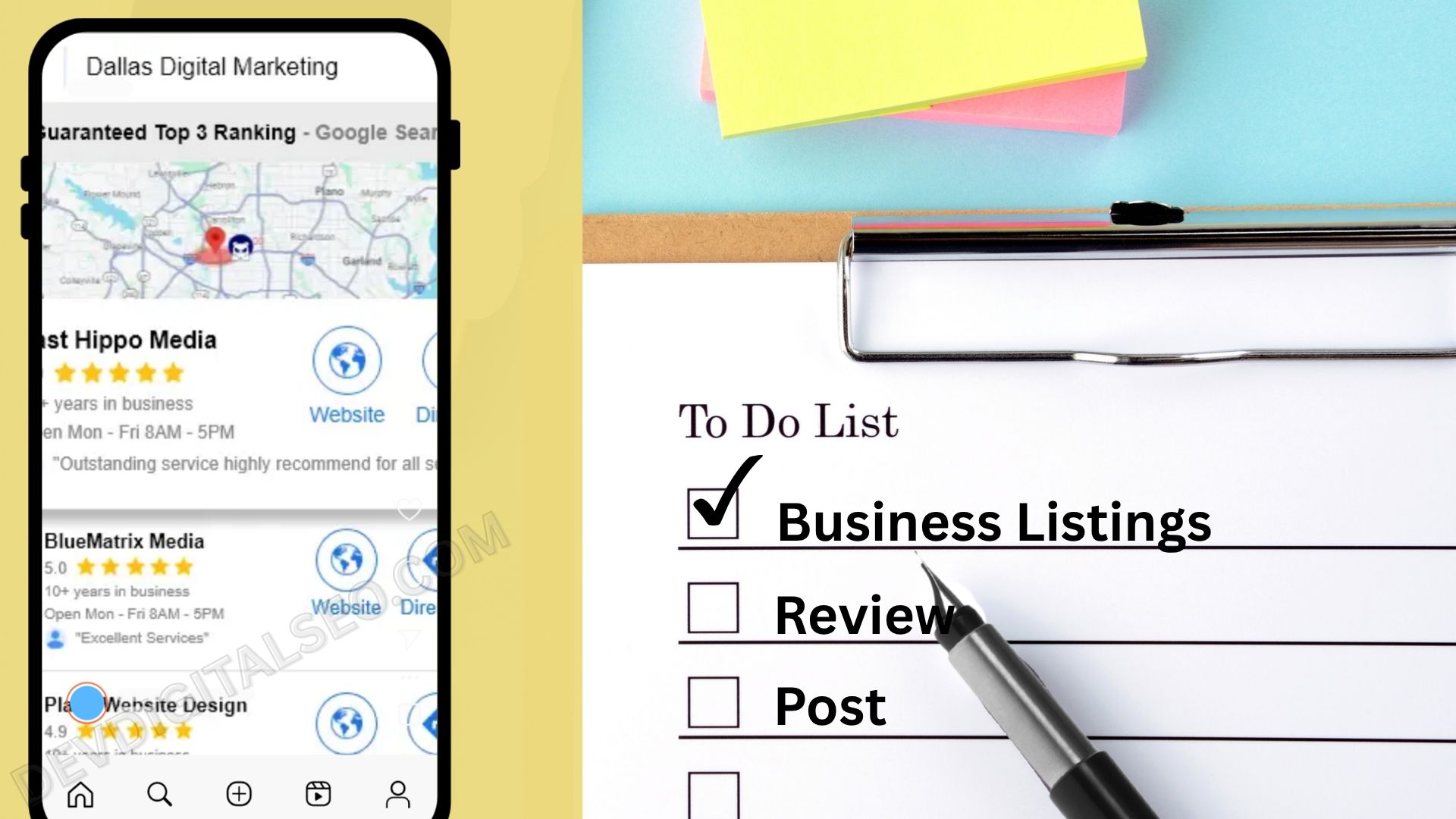
CategoriesAI Local SEO Marketing SEO

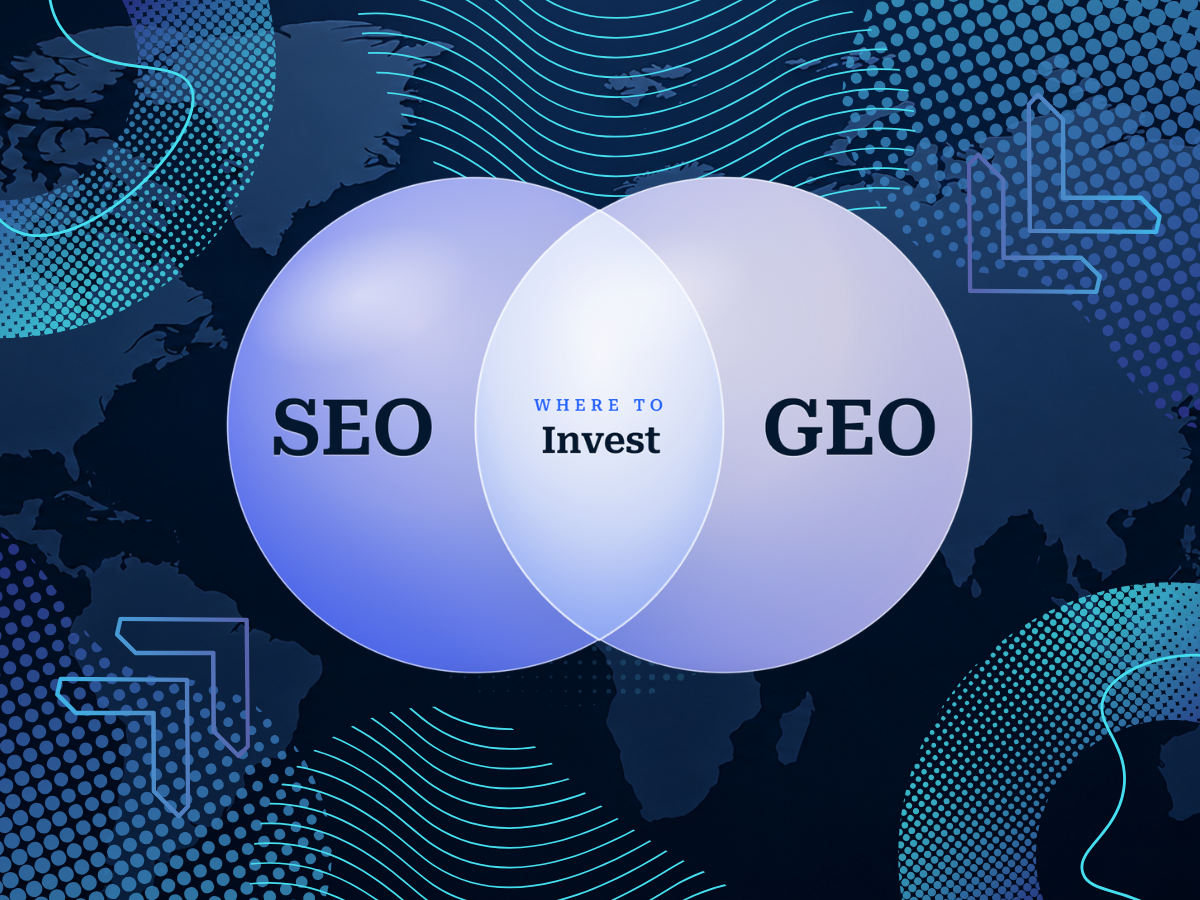
Is SEO dead now that GEO is here?

SEO vs. GEO: SEO is declared dead every couple of years when social media comes into the picture. SEO was pronounced dead when the concept of voice search came along. And now with AI-based search and something known as “GEO,” it appears the death certificate has been issued yet again.

The problem is that SEO always manages to turn up at its own funeral looking completely alive and healthy and demanding some cake.

So, how about a more realistic discussion of what’s really going on, what SEO vs. GEO is, why everyone is excited about it, and what it truly means for your business?

First—what even is GEO?

The GEO acronym stands for Generative Engine Optimization. It is relatively a new term that refers to the optimization process of your content that ensures AI-enabled platforms such as ChatGPT, AI Overviews by Google, Perplexity, among others, will cite, reference, or summarize your brand if someone poses a related question.

For instance, when you type something into ChatGPT and receive a concrete answer from it, there is always some data behind it. In GEO, it entails making sure the source of such information is you.

This innovation is highly exciting since it brings about a revolution in terms of how people can search for online information. Rather than using search engines to search for ten blue links, one only needs to pose a question to an AI and accept its answers.

“The search bar isn’t going away—it’s just growing up. And smart marketers are learning to speak both languages.”

So where does that leave SEO?

First, it should be noted that GEO will never kill SEO. On the contrary, it provides additional options for SEO efforts.

In case you want to ensure good ranking positions in AI-driven search results, then your website content should remain reliable, informative, understandable, and structurally organized. All that has proven to work well with SEO before and continues working now. The foundation hasn’t changed but has been strengthened.

Let me give an example: Google processes over billions of searches on a daily basis, and traditional search results provide huge amounts of traffic to web resources. And people tend to use search engines to find the needed information and make subsequent purchases. That’s how it works now, and that’s how it will work in the future.

What will change is the initial point of that process. And here comes GEO into the picture.

Search Engine Rankings

  • Keywords and Search Intent
  • Backlinks and Domain Authority
  • Site Technical Health
  • Page Structure Optimization
  • Click-Through Rate from SERPs

GEO Ranking factors

  • Good Writing Style
  • In-depth and Authoritative Topics
  • Schema Implementation
  • Brand Mentions Online
  • Be the Reliable AI Source

SEO vs. GEO—a rivalry or a relationship?

SEO vs. GEO: The debate is framed around an unnecessary battle, as if there were some sort of conflict between the two, which would mean one should prevail over the other. It’s all wrong.

To put it simply, SEO is the road you’ve built so far, while GEO involves learning how to navigate through the newly opened roads, which still requires the initial one to be in place and your ability to drive.

As our observations have shown, those companies that had laid solid foundations for their online presence via SEO, including creating valuable and engaging content, maintaining proper structure of the website, and establishing an effective backlink profile, proved to be much more likely to successfully implement GEO in its early stages since AI tools had something useful to refer to.

On the contrary, those that had been playing with low-quality content filled with keywords in order to boost their rankings had no chance to impress any AI-based algorithms with anything but lack of content quality.

Bottom line: if your SEO strategy has involved creating valuable content and providing visitors with useful information so far, then you’re half-way through having an effective GEO strategy.

What does this mean practically for your business?

To all you entrepreneurs and marketers out there: Keep at it. Don’t let up on your SEO efforts. There’s still value to be mined here.

SEO as we knew it before still works. Organic search continues to be one of the most effective ways for a company to acquire traffic. If you have been working with this channel, continue doing so. At the same time, consider how well your content will translate for the sake of an artificial intelligence. Is it easily understood? Is it precise in its answers? Can an AI cite that particular piece of writing in response to a query? These are the important questions that should be considered.

More than ever, structure plays an important role. Getting cited on other reputable sites is increasingly important. Branding and consistency become crucial. While all of these things were always important to digital strategy, they are now more relevant than ever before.

The honest truth about “dead” channels

Marketing channels rarely die—they evolve. Email was declared dead when social media arrived. Social media was declared dead when algorithms got harder to work with. Organic search was declared dead when paid ads took over the top of the results page. Yet here we are, and all of them still work.

SEO vs. GEO isn’t really a battle. It’s a natural progression. The businesses and agencies that will win in the next few years are the ones that understand both that take the strong SEO foundations they’ve already built and learn how to extend them into this new era of AI-powered search.

At DevDigitalSEO, our view is simple: the goal hasn’t changed. Get your business in front of the right people at the right moment. The tools and platforms evolve constantly. The goal stays the same.

So no, SEO isn’t dead. It just has a very interesting new neighbor. And the smart move is to get to know both of them.

Ready to future-proof your search strategy?

DevDigitalSEO helps businesses navigate both SEO vs GEO building strategies that work today and stay relevant tomorrow. Whether you’re starting from scratch or looking to evolve what you’ve already built, we’re here to help.
CategoriesLocal SEO SEO Web Development

What are local citations in SEO, and why are they important?

Picture yourself opening a very successful small bakery in town. You have the best sourdough in the entire town, an inviting bakery, and happy customers. However, when one of your neighbors types “nearest bakery” into Google Search, they don’t see your website listed. Not even once.

It’s not because you did anything wrong. Your bread is fantastic. The issue is far from complicated; the problem is that Google has yet to confirm that you really exist.

That’s the exact dilemma that citations management services address. At DevDigitalSEO, this is the first thing we do for a local business that doesn’t know how it became invisible on Google.

So, what exactly is a local citation?

A local citation refers to any reference on the internet that mentions the essential information associated with your business, such as your name, address, and phone number. Together, the three make up an acronym known as NAP in the world of search engine optimization. Local citations can be found everywhere from business directories to industry-specific websites.

  • Name: The exact, consistent business name
  • Address: Full address—formatted identically, every time
  • Phone: The same local number across all listings

Think of citations as digital references. When multiple credible sources across the web all say the same thing about your business—same name, same address, same phone number—Google reads that as a strong signal of legitimacy. The more consistent and widespread those references are, the more confident Google becomes that your business is real, established, and worth showing to searchers nearby.

“Citations are to local SEO what backlinks are to general SEO — they’re votes of existence, and they carry real weight in how Google ranks local businesses.”

Structured vs. unstructured citations

Not all citations look the same. They come in two main forms, and both matter.

Structured

Your business details appear in a formal, dedicated listing. Think Google Business Profile, Yelp, Bing Places, Yell.com, or TripAdvisor. These are intentional, directory-style entries with defined fields for your NAP data.

Unstructured

Your business name and details are mentioned naturally within content—a blog post, a local news article, a community forum, or a journalist’s roundup. Less formal, but still valuable signals to search engines.

Both types send trust signals to Google. A healthy citations strategy, as the team at DevDigitalSEO would tell you, builds both, starting with the high-authority structured directories and then expanding to niche and local sources that are relevant to your specific industry and geography.

Why do citations matter for local SEO rankings?

The search ranking algorithm employed by Google takes into consideration three main components, which include relevance, distance, and prominence. Prominence is directly affected by citations, where it represents the reputation of a business.

With good quality and trustworthy citations all through credible directories, the Google search engine would have an easier time placing your business in “the local pack” – the three most valuable search engine listing positions that every company desires. Your business could actually experience a radical change just by being in the local pack position.

In addition to improving the ranking of your website, citations improve visibility as well, as the optimization of your citation will be visible in any searches made through directories like Yelp and Apple Maps.

The consistency problem—and why it quietly kills rankings

This is usually where many companies fail without even realizing what they have done wrong. Citations require consistency in the company information provided. If your company shows up as “Smith & Sons Plumbing” in Google, “Smith and Sons Plumbing Ltd.” in Yell, and “Smiths Plumbing” in Yelp—these will make them appear as three separate companies to a search engine algorithm.

Incorrect NAP data in the listings is one of the most frequent local SEO mistakes that we see at DevDigitalSEO. These issues tend to be very subtle yet quite destructive to your local presence. A citation audit can easily reveal over 50 conflicts in a business’s citation profile, which have quietly suppressed their performance.

These problems accumulate over time. An old address from an old location, an old phone number or contact info, and an old business name—that is what you get if no one has tried fixing the mistakes. The problem here is that even if a company spends hours building fresh citations, Google won’t reward them if old citations still exist.

How to build citations the right way

Creating a powerful citations list is not hard; it simply takes some time and effort. Here is how it can be done successfully:

First, you need to start with creating entries on the larger business directories such as Google Business Profile, Bing Places, Apple Maps, Facebook, Yelp, and national directories for your country.

Then move on to create entries on the industry-specific directories such as TripAdvisor and OpenTable for the restaurants, legal directories for solicitors, and rated people for the tradespeople.

You also need to add regional and local directories such as local Chambers of Commerce and local councils’ business directories.

Lastly, you have to perform periodic audits of the existing citations and remove any duplicates or incorrect listings.

Create a master NAP file for your company so that each entry will be created identically.

Citations and the bigger local SEO picture

To claim that citations alone will take you to the top in local search is to overlook several important components of local SEO. Citations are indeed an integral part of local SEO, but it is a complex process with many components. These components include optimization of your Google My Business profile, your review scores, your local content, and even your backlink profile.

However, citations are usually low-hanging fruit in terms of achieving a higher ranking in the SERP. Newer companies and even those with no previous experience with local SEO should focus on citations first since these activities can yield visible results within weeks after implementation.

As experts in SEO, DevDigitalSEO believes in laying down solid foundations before going further. If our team agrees to undertake your company’s SEO project, then you better believe that we’ll talk all about content or backlinks only when citations are in place.

CategoriesLocal SEO Marketing SEO

Top Local Citation Strategies to Improve Google Rankings

Suppose you’re a bakery owner making top-quality sourdough—yet your competitor always outranks you on “best bakery near me” searches. Frustrating, right? The difference often isn’t the quality of your bread. It’s the strength of your local citation strategy.

If you’re a local business owner, a marketer, or an entrepreneur trying to crack Google’s local search algorithm, this guide is for you. Let’s break down exactly what local citations are, why they matter more than ever, and the top strategies you can use today to climb the rankings.

Why do we need Local SEO?

What Is a Local Citation?

Local citation is the mentioning of basic information regarding your business in the online space, which includes NAP – Name, Address and Phone number. Local citations can be found across the web in directories, social sites, reviews, maps, apps, and websites.

Citations are just like digital footprints left by you. The more reliable sources there are that provide your business details accurately and consistently, the more likely Google is to consider you a legitimate and relevant company. The more reliable the signals are, the higher up the rankings you’ll go.

Interesting Fact: Based on local SEO studies, citation signals are one of the most influential ranking factors for map packs in Google’s local search engine results pages.

Why Local Citations Matter for Google Rankings

The local Google algorithm is made up of three key components: Relevance, Proximity, and Prominence. The prominence component is powered by local citations. More citations that point towards your company mean higher prominence according to Google.

However, inconsistency can work against you, especially when it comes to contact information such as your phone number. Different numbers on Yelp, Google Business Profile, and Facebook will signal conflicting information to Google, making you less trustworthy in their eyes.

Top Local Citation Strategies to Dominate Google Rankings

Strategy 01

Claim & Optimize Google Business Profile

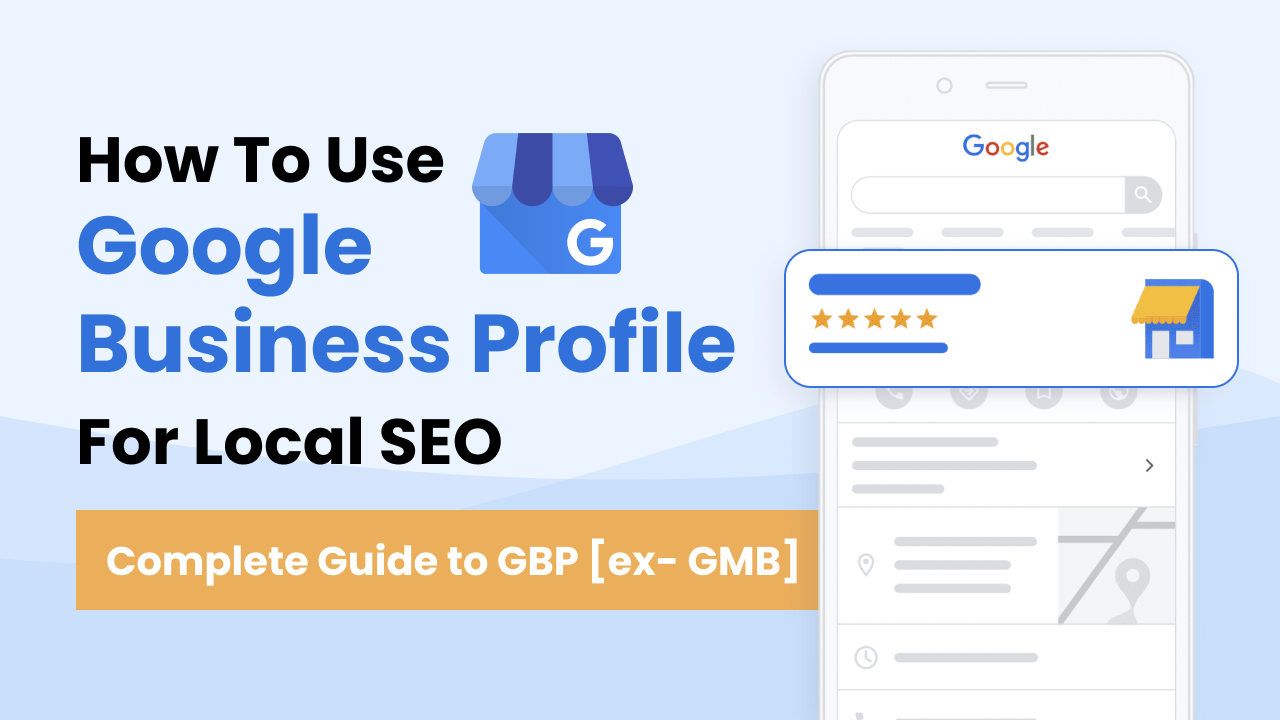
Your GBP is the single most powerful local citation you can have. Claim it, verify it, and fill every field with accurate, keyword-rich information.

Strategy 02

Build Core Directory Citations

List your business on Yelp, Apple Maps, Bing Places, Facebook, and TripAdvisor. These “tier-1” directories carry the highest authority signals.

Strategy 03

Target Niche-Specific Directories

A dental clinic should be on Healthgrades and a restaurant on Zomato. Niche citations send hyper-relevant local signals to Google.

Strategy 04

Audit & Fix NAP Inconsistencies

Use tools like BrightLocal or Moz Local to find and correct conflicting business information across the web. Consistency is king.

Strategy 05

Earn Local Press Mentions

Getting featured in local news sites, community blogs, or local event pages creates unstructured citations that Google trusts deeply.

Strategy 06

Use Schema Markup on Your Website

Add local business structured data to your site. This acts as a direct citation signal to Google’s crawlers—straight from the source.

Delving Deeper into Advanced Citation Techniques

After setting up your basic citations, scaling your game requires precision. Here’s how to play the game as an expert:

Competitor Citation Analysis: Using tools such as Whitespark, you can research your competitor’s citations and find gaps in your citation portfolio. You can quickly tell which direction you should go if your competitor appears on 40 different directories while you appear on 15.

Geo-Targeted Local Citations: Do not just think at a national level; think hyper-local! Make sure you list your business on directories specific to each city, local chambers of commerce, neighborhood associations, and even city councils’ websites. Google gives extra importance to geo-relevant citations.

Stay Active in Your Profiles: Citation does not equal passive link building. Make sure you update your working hours, especially for holidays, add new images, and respond to all reviews. Active profiles outrank inactive ones.

Bonus Tip: Whenever you relocate your office, change your phone number, or rebrand yourself, update your citation data right away—preferably in the same week. Old NAP data will bring down your local search ranking faster than anything else!

Common Local Citation Mistakes to Avoid

Even well-intentioned businesses make mistakes that silently sabotage their rankings. Watch out for these:

Using different business name formats (e.g., “Dev Digital SEO” vs. “DevDigitalSEO” vs. “Dev Digital S.E.O.”)—pick one and stick to it everywhere. Ignoring duplicate listings on the same platform is another common pitfall — they confuse Google and dilute your authority. Finally, skipping your local citations in favor of just backlinks is a strategy that often backfires. Both work together, not in isolation.

The Long-Term Payoff

Local citation building isn’t glamorous work — but it’s the kind of foundational effort that compounds over time. Businesses that invest in a clean, consistent, and expansive citation profile consistently outperform competitors in local search. They show up in the Google Maps pack. They earn trust from potential customers before a single word is spoken.

When done right, your local citations network becomes a 24/7 referral machine—sending qualified local traffic directly to your door, your phone, and your website.

CategoriesLocal SEO SEO

Mastering Local Citations(NAP Citation): 5 Steps to Improve Your Local Ranking

Most of time you noticed that a competitor close to you ranks higher on Google Maps despite offering poor quality services? The secret usually lies in Local Citations (NAP Citations). Properly understanding and implementing them can completely transform your local SEO performance. Let’s break it down into easy and useful steps.

What Are NAP Citations and Why Do They Matter?

What does NAP stand for? It stands for Name, Address, and Phone number. What is an NAP Citation(Local Citations) then? An NAP citation refers to the instances when your business information gets referenced somewhere online, such as from the directories and review sites, and social media platforms. With each instance that appears, it means Google finds a reliable source about you.

Imagine NAP Citations as a form of trust vote. The better your NAP Citations match throughout the Internet, the more trust Google places on your company being real and the higher rank it will give to your website in local searches.

Here is the most important thing that local business to remember: Inconsistent NAP Citations can impact your rankings. It could be something as simple as leaving out the suite number on one citation and misspelling the street name somewhere else.

Step 1: Analyze Your Current NAP Citations (Local Citations)

Always analyze your existing NAP citations before starting new ones. There are different sites like BrightLocal, Moz Local, and Whitespark that you can use to perform an audit on your citations.

When performing the audit, check for the following:

  • Duplicate NAP Citations
  • Wrong telephone number or wrong address in previous NAP Citations
  • Mismatch in the business name in NAP Citations

Fix things first. You will usually get better results if you correct your existing NAP Citations (Local Citations) rather than creating new ones.

Step 2: Claim and Enhance Your Core Business Listings

The basis of your NAP Citations should begin with the major platforms. Ensure that your NAP Citations are active and correct on the following:

Google My Business – the highest authority when it comes to NAP Citations

  • Bing Places
  • Apple Maps
  • Yelp
  • Facebook

This is where the high authority for NAP Citations lies. Complete all fields on these platforms. An optimized Google My Business profile along with proper NAP Citations can do wonders for your online presence in the map pack.

Step 3: Build NAP Citations on Niche and Local Directories

Once you have your basic NAP Citations sorted out, it’s time to take things further. Submit your NAP Citations to niche directories that correspond to your industry. For instance, if you run a restaurant, your business needs to be listed on Zomato and TripAdvisor. Similarly, if you have a law firm, then you need NAP Citations on Avvo and FindLaw. If you run a plumbing service, then HomeAdvisor and Angi are good choices.

Finally, you shouldn’t neglect local directories. Websites like those of the chamber of commerce and business organizations in the locality can prove to be great sources for geo-specific NAP Citations.

Step 4: Maintain Perfect Consistency in All NAP Citations

This is the core principle of NAP Citations — consistency is crucial. Always maintain the exact same format for your business details across all listings. If your business name is “The Coffee House LLC,” don’t shorten it to “Coffee House” in some places while using the full name elsewhere. Similarly, if your address includes “Street,” avoid changing it to “St.” in different citations.

Create a master document with your official NAP information and refer to it every time you’re submitting new NAP Citations. This simple habit protects the integrity of your NAP Citations (Local Citations) and ensures Google reads only clean & trustworthy signals.

Step 5: Monitor and Update NAP Citations Regularly

NAP Citations are not a one-time task. If your business relocate or somehow you changes its phone number, or rebrands, you must update your NAP Citations everywhere — instantly. Stale NAP Citations with old information will confuse potential customers and send mixed signals to search engines.

Make sure that you set an automatic reminder to check your NAP Citations once every quarter. There are numerous tools that can help you keep track of your NAP Citations including Moz Local and BrightLocal. Managing your NAP citations should always be a continuous process.

Start Building Better NAP Citations Today

Mastering NAP Citations not seem like exciting stuff but it is very important. From auditing your existing NAP Citations to building new ones on niche directories, each action you take builds the credibility your local business deserves online.

In case this seems overwhelming for you, do not worry as you need not be stressed out anymore. DevDigitalSEO is a reliable SEO company in India located in Noida, UP, offering a range of services including Local SEO, on-page SEO, off-page SEO, technical SEO, web design, and web development. Being a team of experts with more than 15 years of collective experience, DevDigitalSEO can assist you in building effective NAP Citations for your business, improving your online presence, and ranking you at the places that matter the most.

📞 +91 81084 82047 | 🌐 devdigitalseo.com

Proudly powered by Themelexus.com